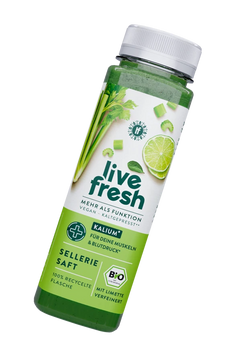
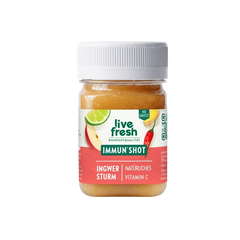
- 7 juices + 3 shots per day, cold-pressed¹
Free shipping
Your cart
Your cart is empty
Nothing here yet? Start with our bestseller.
Free shipping
Or choose a different length:
incl. VAT. plus shipping & deposit
¹ Preserved by HPP (high pressure processing): the filled bottle is exposed to high pressure without heating.

Language

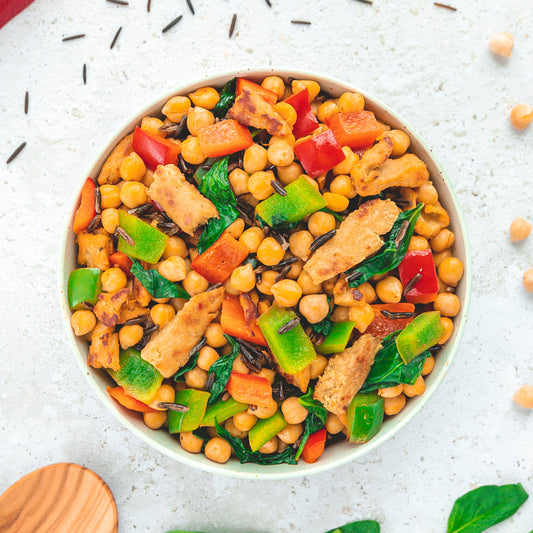
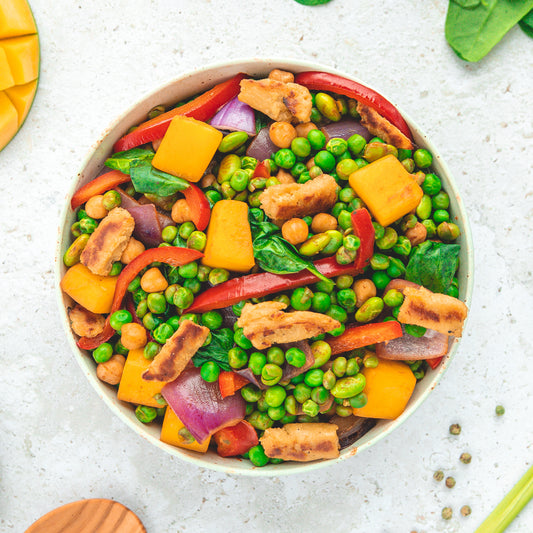
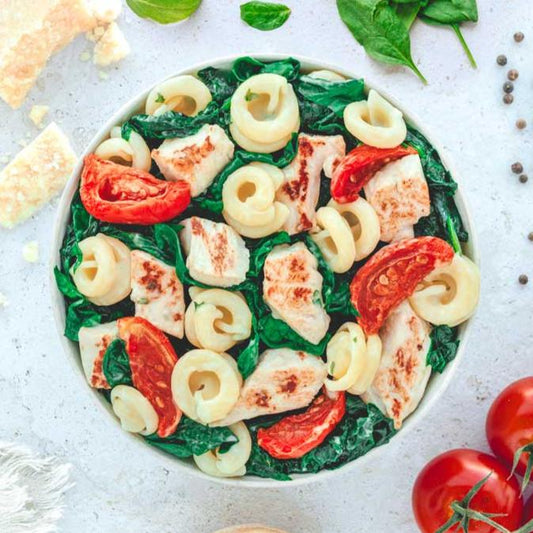
Spinach is one of the most versatile greens in the kitchen: It provides valuable vitamins, minerals, and fiber, making it a perfect fit for a varied, healthy diet.
Whether raw in a salad, lightly sautéed, in a smoothie, or in your favorite hot dish—spinach adds a fresh pop of color and offers versatile uses in your everyday life. LiveFresh takes full advantage of these qualities: in bowls, drinks, and quick meals, spinach becomes a simple, creative, and modern ingredient.
Spinach embodies modern, mindful eating: green, fresh, easy to prepare, and versatile enough to pair with countless recipe ideas.
Whether you’re starting your day, enjoying a light lunch bowl, or sipping a nutrient-rich smoothie, spinach is a versatile all-rounder that adds an extra dose of freshness to any dish.
Spinach (Spinacia oleracea) belongs to the amaranth family and is native to Southwest Asia. Today, it is one of the most popular leafy vegetables worldwide.
In addition to classic spinach, there are related varieties such as:
Each variety offers its own unique flavor nuances, perfect for creative recipes.
Spinach contains:
Raw spinach contains about 23 kilocalories per 100 g according to USDA FoodData Central, which is why spinach is considered a very low-calorie vegetable.
Spinach contains significant amounts of lutein (e.g., ~12 mg/100 g) and has been shown to increase macular pigment density, which may promote eye health, according to a review article.
Spinach works in any form:
For maximum freshness, choose young leaves (“baby spinach”).
Spinach adds variety to many favorite dishes, for example:
1 handful of baby spinach
1 banana
1 apple
Water or plant-based milk & a splash of lemon juice → blend, enjoy, done.
LiveFresh uses spinach in many modern recipes—colorful, versatile, and perfect for your everyday life.
These products offer you a combination of spinach, select ingredients, and gentle processing—perfect for quick lunch breaks, creative bowls, or nutrient-rich snacks.
Yes, the products can be easily incorporated into a plant-based diet. Many bowls are plant-based, and there are also green drinks. Look for the “vegan” or “vegetarian” labels in the product descriptions and pair the products with the foods you usually enjoy. If you have health-related questions, please consult a healthcare professional.
Spinach does contain iron, but its iron content is often overestimated. Raw spinach provides about 2.7 milligrams of iron per 100 grams. For an objective assessment, you can refer to public nutritional databases such as USDA FoodData Central. For your personal dietary needs, please consult a doctor.
Yes, spinach is considered a low-calorie vegetable. As a rough guide, 100 grams of raw spinach contains about 20 to 25 kilocalories. This makes it a versatile ingredient for light bowls or green smoothies. Nutrition databases like FoodData Central provide an overview.
Spinach provides vitamins K, A, and C, folate, iron, magnesium, calcium, and dietary fiber.
Yes, baby spinach in particular is well-suited for raw dishes, bowls, and smoothies.
Sauté briefly or blanch it, use it raw, or get creative with it—depending on the recipe.